

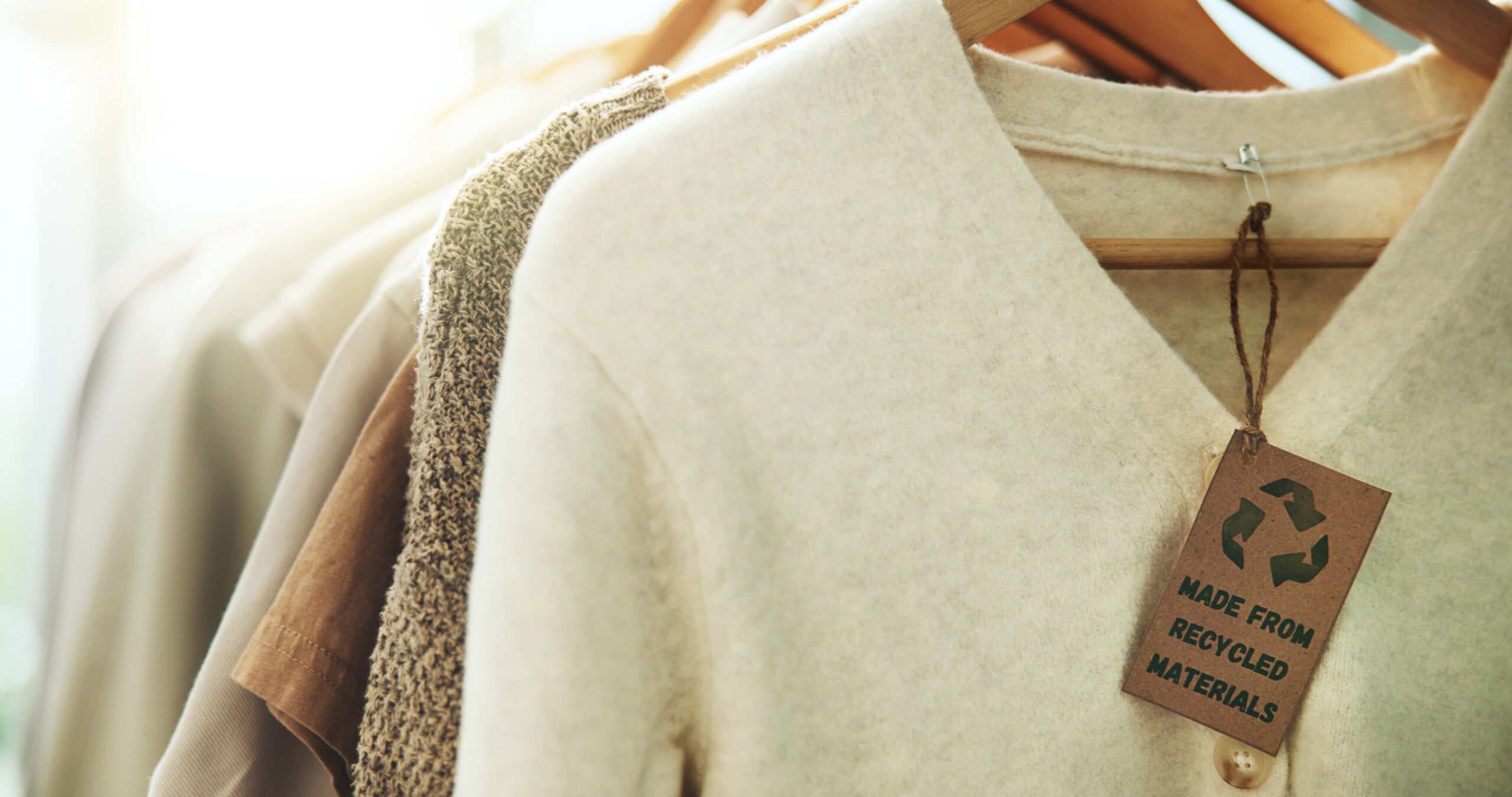
How to Thrift Flip Your Next Second-Hand Fashion Find
Thrift shopping has become very popular across Australia and the world. It’s an eco-friendly way to experience the joys of shopping and create new looks without adding to the surplus of clothing already in circulation.
On average, Australians acquire 14.8kg of clothing per person each year. Sadly, much of this ends up unworn or discarded. That’s why it’s worth hitting your local op shop to find pieces you can bring back to life. You may even find some diamonds in the rough while you’re at it.
In this article, we’ll cover how to spot quality pieces, how to clean and refresh them, and the alterations that can give them a new lease on life.
Key takeaways
- Focus on the fabric and structure of a piece; other elements can be repaired or altered.
- Don’t always trust the tag; second-hand clothes can stretch or shrink.
- It’s easy to freshen up your new finds before wearing them.
How to spot clothes with potential at your local op shop
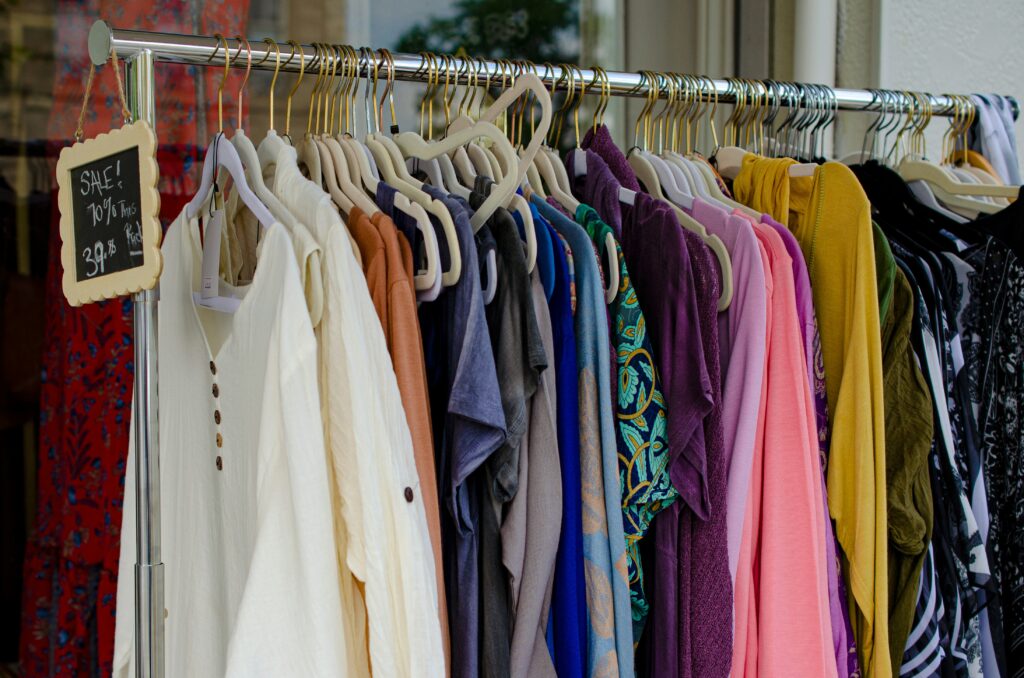
Op shops can be chaotic at first glance. Unlike curated high street retail shops, which are organised and offer a limited selection of colours, styles, and sizes, op shops often have hundreds of unique pieces to choose from.
Consider yourself an explorer. Before diving in, arm yourself with a game plan.
Here’s how to scan the racks for quality, structure, and potential.
Ignore the size tag
Vintage sizing can be different from modern sizing; even then, second-hand clothes may have relaxed or been shrunk in the wash. You never know how something is going to fit until you try it on.
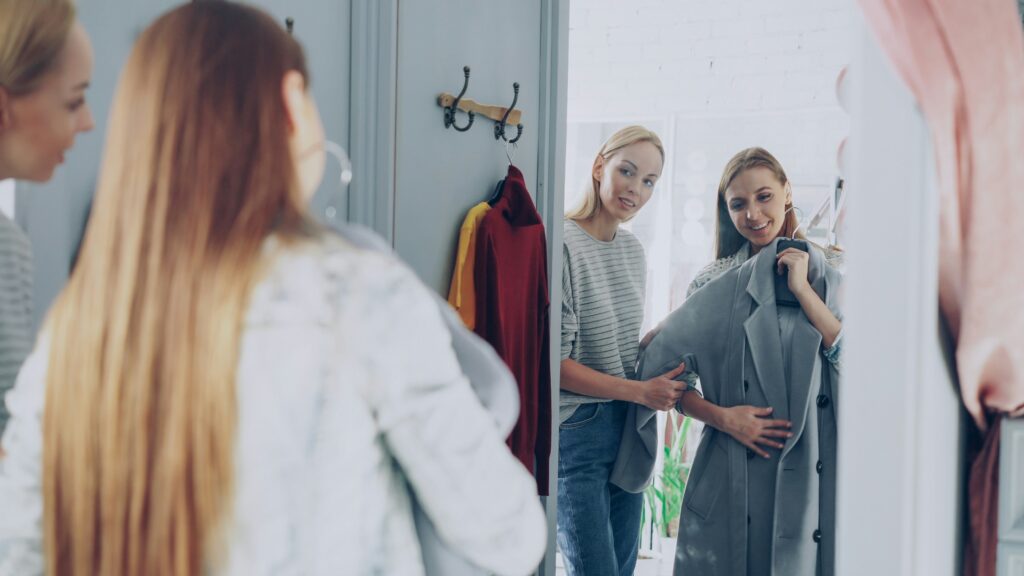
Instead of relying on the tag, we recommend focusing on how the garment fits across the shoulders. Since this area is the hardest to alter, if this part fits well, most other areas can be altered. For pants, you’ll just need to make sure there’s enough fabric for adjustments. It’s far easier to take a size down than it is to let a smaller size out.
Source: Unsplash
Check the fabric composition
If you’re lucky enough to find a natural fibre piece in the op shop, you’ll likely be getting a great deal for a premium piece. Fibres like silk, wool, and linen are usually higher quality and hold their shape better over time. This makes them ideal for tailoring and a long-term investment you can wear for years.
On the other hand, many thrifted pieces are made from synthetic materials. Polyester, nylon, acrylic, elastane, and polyurethane are all plastic-based fibres. While they’re durable and low-maintenance, they don’t breathe as well or drape as nicely. That said, they’re still worth saving from the op shop, and with the right alterations, you can make them look polished.
Assess if damage is structural or cosmetic
Not all damage is a dealbreaker. In fact, damage opens the door to opportunity for those who know how to spot it. The key is knowing what can be fixed and what’s not worth your effort.
Small cosmetic issues are usually easy fixes. If it’s missing buttons, has a loose hem, minor stains, or small seam openings, these can often be repaired quickly and affordably. Structural damage, however, is more serious. Issues like dry rot, large tears in key areas, weakened or thinning fabric, or deep stains can make it hard to bring the piece back to life.
When in doubt, prioritise pieces that are still mostly intact with only cosmetic damage. These are often overlooked, which means you can pick them up for a great price and have them fixed easily.
Source: Unsplash
Why second-hand shopping is booming in Australia
Australians love an op shop, and why not? We have more than enough quality clothes floating around, so why not rescue them, save a buck, and support a charity shop while you’re at it?
We also have plenty of options, like Vinnies, Salvos, Red Cross, Lifeline, as well as a growing number of curated vintage boutiques. Plus, with the cost of living rising, buying second-hand makes it easier to build a wardrobe full of high-quality pieces without paying full retail prices.
Source: Unsplash
This is especially true when it comes to older garments. The old saying “they don’t make them like they used to” rings true here. What was once made with natural fibres and built to last has frequently been replaced with cheaper synthetics. As a result, you can find older pieces that are actually in better condition and will hold up far longer than something at the mall – all for a fraction of the cost.
There’s also a clear environmental benefit. Charity op shops in Australia divert more than one million tonnes of goods. Choosing second-hand helps extend the life of clothing that already exists, rather than adding to an ongoing cycle of waste.
With the cost savings, sustainability, and quality considered, it’s easy to see why op-shopping has become such a strong player in Australia’s fashion landscape.
How to freshen up your thrifted finds
Before it was with you, your new clothes might have been tucked away in storage or in big bags with other clothes. Now that they have their new home, they will need a freshen up.
It’s easy. Here’s how to freshen up your latest addition.
- Air them out: When you get home from the shop, try not to leave your new clothes sitting in their bag. Take them out and hang them on the line or near an open window for a few hours. This allows for fresh air to lift out trapped odours, especially from heavier fabrics like wool or denim.
- Wash with white vinegar: Run a cold wash with one cup of white vinegar to neutralise odour-causing bacteria without coating the fabric in detergent. If the garment has difficult-to-remove smells, also add ½ cup of baking soda.
- Spot clean where needed: Treat stains directly with diluted detergent to avoid overwashing older, more delicate garments.
- Steam instead of washing (if needed): If your piece is too delicate to go in the washing machine, you can steam it instead. This also cleans and neutralises odours.
- Air dry only: Let items dry naturally to maintain their shape and prevent heat damage from the dryer.
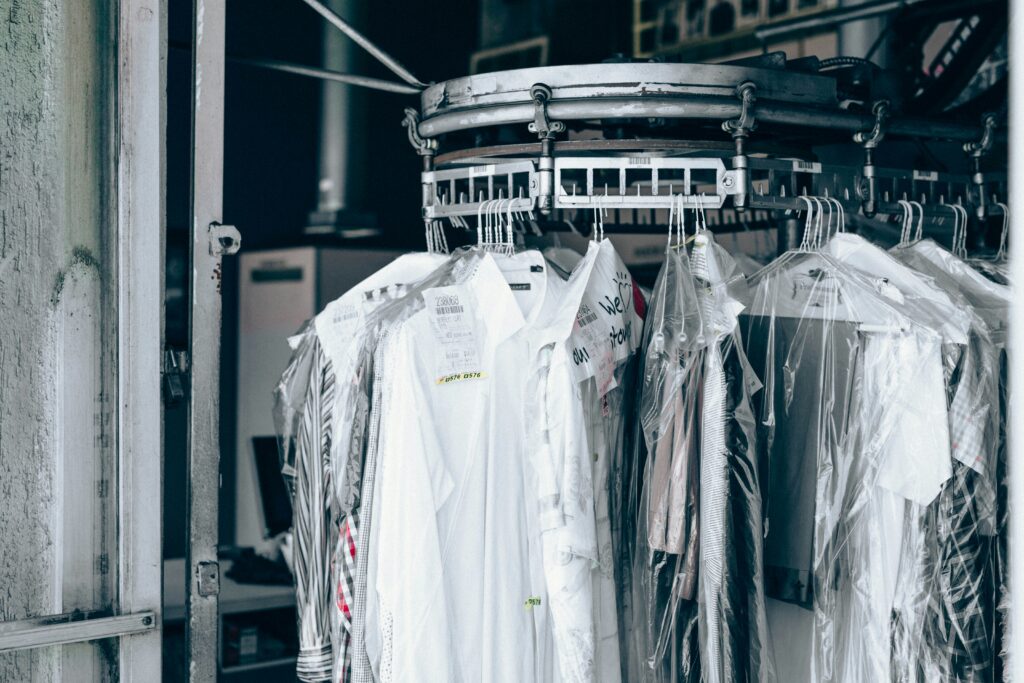
- Use a professional dry cleaner: If your item is more delicate or structured, like a tailored suit, heavy coat, silk, or lined garment, take it to a professional dry cleaner to avoid damaging the fabric or shape.
LookSmart offers both dry cleaning and altering, so you can get your piece fixed to fit and washed at the same location.
Source: Unsplash
Modernise your second-hand pieces by altering them
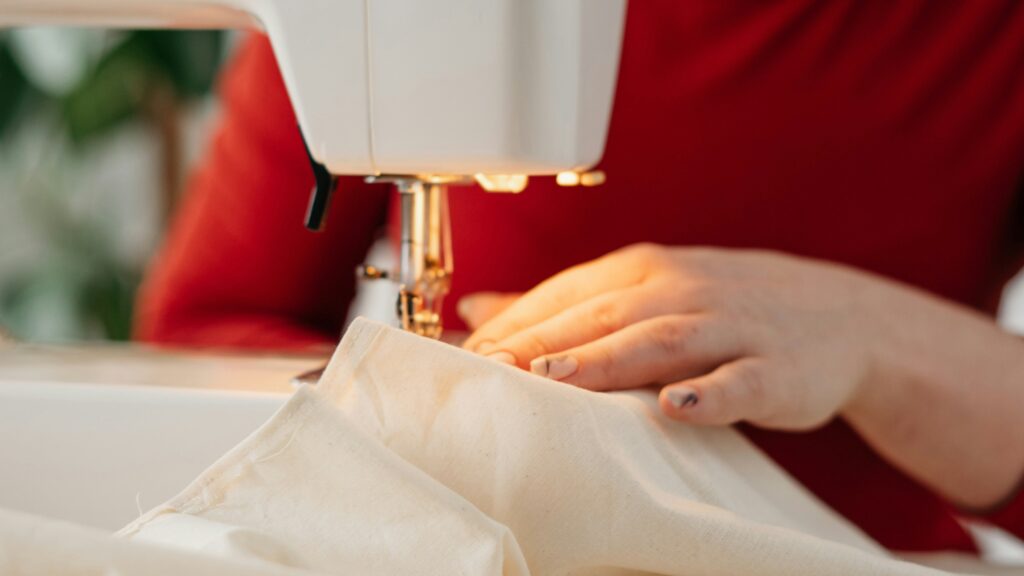
As we’ve said, just because something doesn’t look perfect in the thrift shop doesn’t mean it can’t get a glow-up. Altering is one of the best ways to modernise an older piece (for example, taking out the shoulder pads) or fix the fit (like taking in/out the waist).
Here are some ways we have helped customers turn their thrift finds into gold.
Resizing
If you find a piece that’s otherwise perfect but feels too boxy or oversized, we can often reshape it by taking it in through the sides or sleeves. With even very small adjustments, a strange fit can become more structured and custom-made for your body.
Hemming and cropping
Length plays a big role in how modern something looks. Shortening hems on trousers, skirts, or sleeves can instantly make a piece look more modern and sit properly on your body, rather than dragging or cutting you off in the wrong place.
Hardware and repairs
Details like broken zips, missing buttons, or split seams are a common reason why clothes are sent to the op shop, but these are easy fixes. Repairing these otherwise great items is a lovely way to keep them out of the landfill and expand your wardrobe.
Custom touches and updates
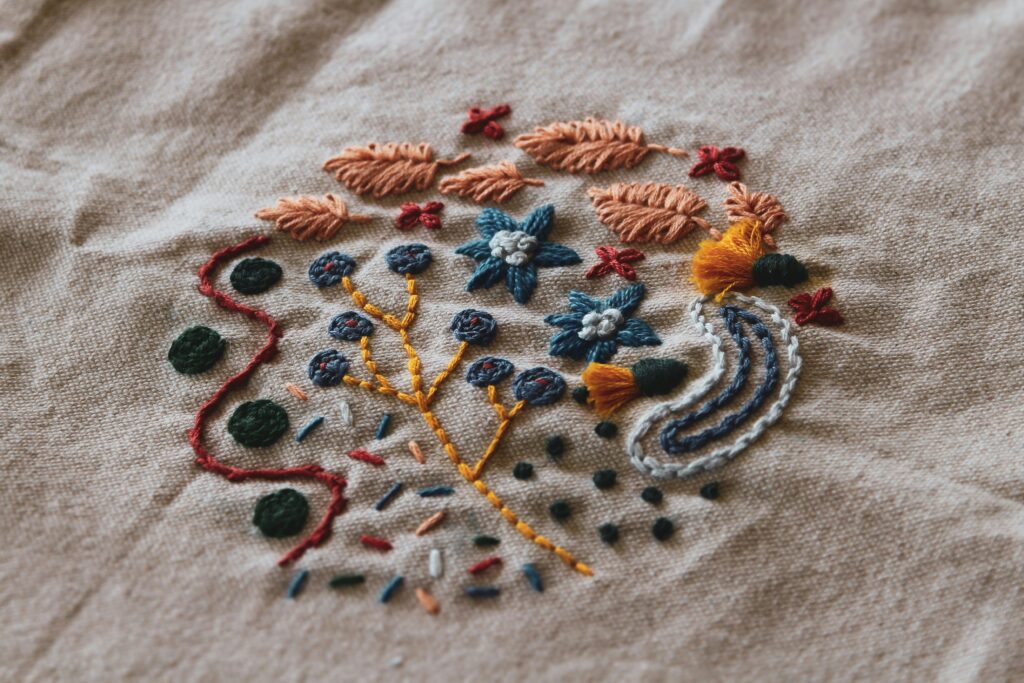
Beyond fit, we help add designs that can completely transform a piece. For example, our team can add embroidery, sew on a statement patch, or swap out old buttons. This can instantly make the piece feel more personal and updated. It also makes for a great gift!
Source: Unsplash
We’ll see you after the op shop
Second-hand shopping gives you access to unique, high-quality pieces at a fraction of the price, especially if you know what to look for.
When you can scan for quality fabric and potential, you can spot items worth bringing back to life. From there, proper cleaning can freshen up any piece, and the right alterations can completely transform how it looks and feels.
If you want to take something old and make it new again, LookSmart can help. We’ve helped customers all over Australia and New Zealand get the most out of their thrift finds.
If you’ve picked up a piece with potential, bring it into your nearest LookSmart Alterations store for a fitting and to see what’s possible.
FAQs
What fabrics should I avoid at the op shop?
Since everything is second-hand and you’re not adding new plastic into the cycle, there’s nothing you need to avoid from an environmental perspective. However, synthetic fibres are generally less desirable compared to natural fibres, as they don’t breathe as well, can feel less comfortable, and often don’t hold their shape over time.
Where are the good op shops in Melbourne?
Melbourne has lots of options across suburbs like Fitzroy, Brunswick, and Prahran. You can also find your chains like Sacred Heart Mission, Salvos Stores, and Red Cross Shops, and also a bunch of other, more curated vintage options.
Can I have something second-hand tailored?
Absolutely. Tailoring helps turn near-there op shop finds into pieces you’ll actually wear. Simple adjustments like taking in, hemming, or reshaping can completely change how a garment fits and feels.
How do you know if something second-hand can be altered?
For tops and jackets, check the fit at the shoulders first, as this is the hardest area to change. From there, look at the overall fabric condition and make sure it’s still strong and not thinning or damaged.
For all items, if the structure is intact and there’s enough excess fabric through areas like the sides, waist, or seams, most adjustments can be easily done.
Where can I find the op shops in Wellington?
In Wellington, you’ll want to head to either Cuba Street or Newtown. They both have a bunch of charity options, but Cuba Street has more curated boutiques. There are also lots of bigger stores out in the Hutt, like the large SaveMart that gets its items from clothing bins across the Wellington region.
Why is op shopping so popular now?
The answer to this sits between cost, quality, and taste. As prices rise, many people are realising they can get better quality second-hand than they can new at the same price point.
At the same time, people are feeling disillusioned with mass-produced, fast fashion. Going to the op shop allows them to support a charity, not add to the landfill, save money and find unique pieces.
When did op shopping become so popular?
The shift started in the late 2010s, when vintage style moved into the mainstream, driven by fashion scenes in cities like New York City, London, and Tokyo.
This has accelerated through the 2020s as sustainability became more topical and resale culture went mainstream. This also changed the perception of second-hand shopping from something people do to stick to their budget to a style choice.
How can I find good clothes at the op shop?
The number one indicator of quality in the op shop is fabric. Look for natural fibres, and check seams and structure. The best pieces are usually the ones with good bones, even if they need small fixes.
What’s the difference between a vintage shop and an op shop?
An op shop sells donated items at low prices, usually to raise money for charity. A vintage shop is curated, with trendier pieces that have been sourced and resold, offering a more considered shopping experience at a higher price point.